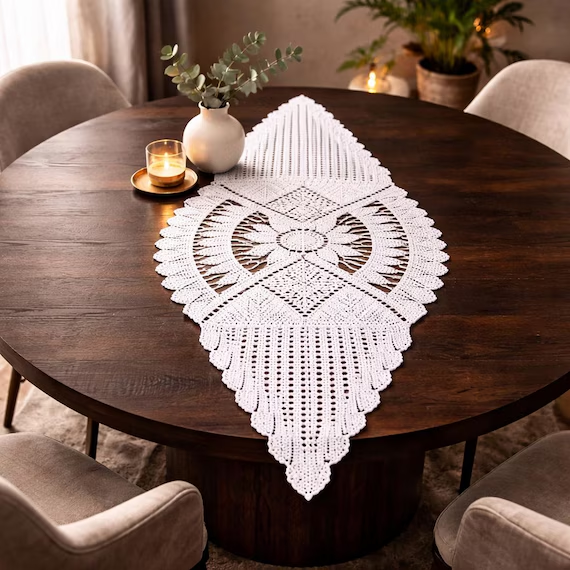
The runner that whispered: "Slow down. I'm worth it.
"Disclosure: This post contains affiliate links to Creative Fabrica. I only recommend products I genuinely love this Crochet Oval Plush Table Runner Pattern in PDF format
Or: How a Single Thread Resurrected My Dining Room and My Soul
Chapter 1: The Pinterest Trap
I fell down a rabbit hole.
It started innocently. "Quick dining room refresh," I typed. Thirty-seven tabs later, I was staring at $4,200 Restoration Hardware tables, $800 pendant lights, and a ceramic vase that cost more than my first car.
My dining room didn't need a refresh. It needed a mortgage.
And then — buried between a sponsored post for marble coasters and an influencer's "affordable" living room reveal — I saw it. A photo so quiet, so unassuming, it almost didn't register.
A wooden table. Natural light streaming through sheer curtains. A white ceramic vase holding dried flowers. And beneath it all, like a secret only the patient could hear: a lace table runner.
Not just any lace. This was filet crochet. Openwork. Geometric. The kind of lace that looks like someone took a spiderweb, taught it manners, and invited it to dinner.
I stared at it for eleven minutes. I know because my phone told me.
And then I did something radical. I closed all thirty-seven tabs. I opened my yarn stash. And I decided to make the thing that had stopped my scroll.
Chapter 2: The Thread That Time-Traveled
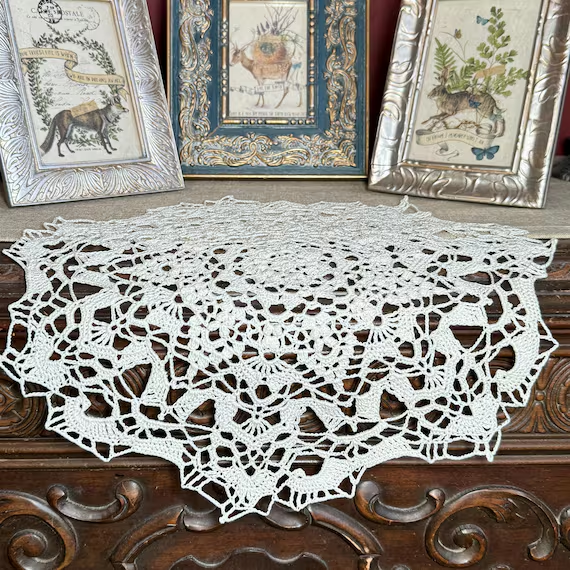
The language of grandmothers, decoded one square at a time.
Filet crochet is old. Like, centuries old. It started in the fishing villages of Italy — yes, actual fishermen's nets — and somehow, through some miracle of human creativity, became the language of Victorian parlors and French châteaux.
Here's how it works: you crochet a grid. Some squares are filled (solid blocks of double crochet). Some are empty (chain spaces that let the light through). Together, they form pictures. Patterns. Stories told in negative space.
It's basically pixel art. But with cotton. And patience. And the occasional urge to throw your hook across the room.
I chose white cotton. Not cream. Not ivory. The kind of white that makes you think of fresh sheets, of blank pages, of possibilities. The kind of white that says: "I am a canvas. Make me mean something."
The first row took forty minutes. Forty minutes for twelve inches of thread. My husband walked past, saw me counting stitches out loud, and quietly backed away.
By row three, I understood why filet crochet survived centuries. It's not fast. It's not efficient. It's not "content." It's the opposite of everything modern life demands.
And that's exactly why it matters.
Chapter 3: The Geometry of Obsession
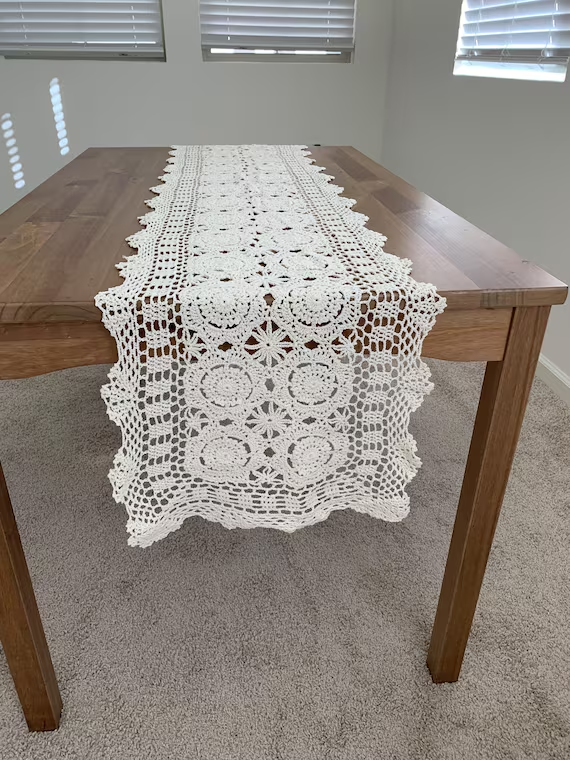
Where mathematics meets poetry — one block at a time.
Filet crochet is secretly math. Don't tell anyone.
Each pattern is a grid. Each grid is a decision: fill or empty? Solid or space? And those decisions, repeated hundreds of times, create something your brain recognizes before your eyes can name it.
I was making a simple geometric pattern — diamonds within diamonds, the kind of design that feels both ancient and utterly modern. But here's what nobody warns you about: filet crochet is a meditation you can't escape.
There's no autopilot. No "muscle memory" to save you. Every stitch requires you to look at the chart, count your chains, decide: block or space? Over and over. For hours.
My mind wandered. It came back. It wandered again. And slowly, something strange happened.
I started noticing things I'd been missing. The way afternoon light hits my kitchen counter at 4 PM. The sound of my neighbor's wind chime. The fact that my cat's purr has three distinct frequencies.
Filet crochet doesn't just make lace. It makes you present.
Chapter 4: The Reveal Nobody Expected
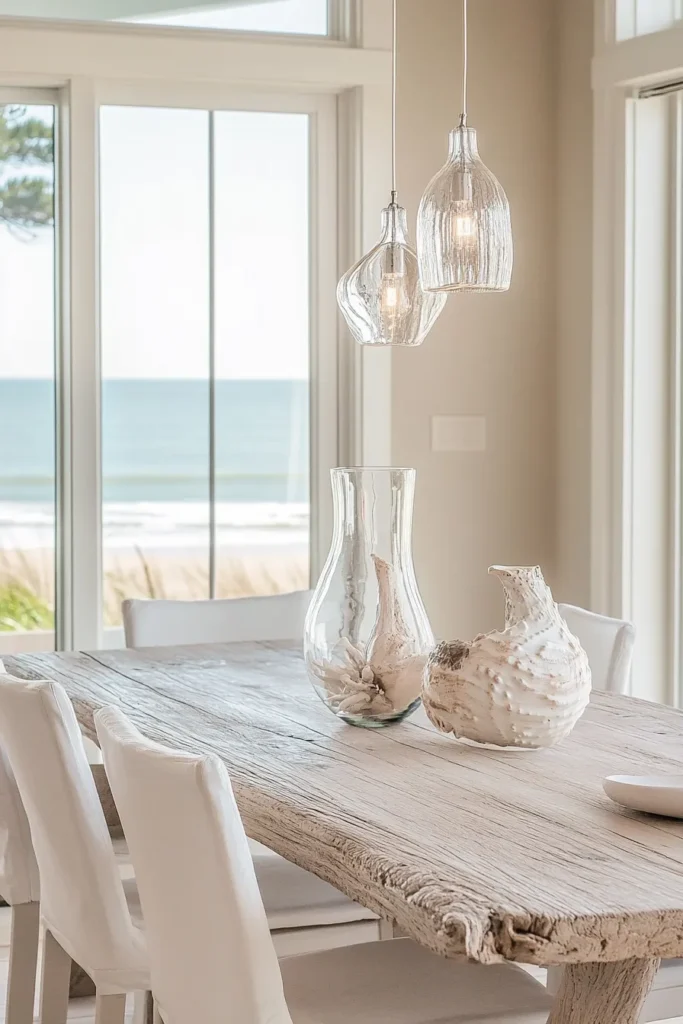
The moment handmade meets home — and everything changes.
Three weeks. That's how long it took. Not because I'm slow (okay, I'm slow), but because filet crochet refuses to be rushed. It's like a sourdough starter or a good friendship — it takes the time it takes.
The day I finished, I washed it. Blocked it. Laid it on my dining table with the kind of ceremony usually reserved for wedding cakes.
And then I stepped back.
My dining room — the same room I'd been trying to "refresh" with $4,200 tables and $800 lights — suddenly looked... complete. The wooden table I'd owned for years, the one I'd been planning to replace, suddenly looked intentional. The ceramic vase I'd bought on sale at Target looked curated. The whole room felt like someone had whispered a secret into it.
My husband walked in. Stopped. Actually looked.
"Did you make that?"
"I did."
"It looks like it belongs in a magazine."
I didn't tell him it cost $8 in cotton thread and 63 hours of my life. I just smiled and said: "Thanks."
Chapter 5: The Philosophy of Negative Space
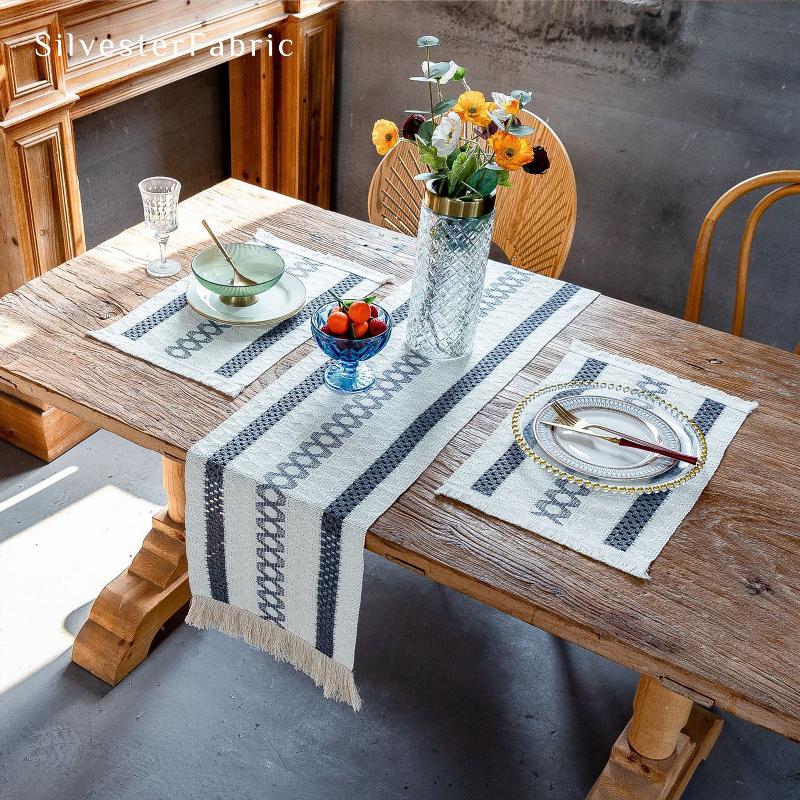
What isn't there matters as much as what is.
Let me get slightly philosophical. (I promise it'll be quick.)
Filet crochet taught me something about life. About my home. About the spaces we create and why we create them.
The "empty" squares — the chain spaces, the holes, the negative space — aren't failures. They're not "missing" stitches. They're intentional. They're what lets the light through. They're what makes the pattern breathe.
And I realized: my home was full of "empty squares" I'd been trying to fill. Blank walls I thought needed art. Corners I thought needed furniture. Surfaces I thought needed stuff.
But maybe the beauty isn't in the filling. Maybe it's in the choosing. The curation. The courage to leave space for light, for air, for possibility.
That lace runner, with its deliberate holes and careful solids, is a metaphor I didn't ask for but desperately needed.
Chapter 6: Where to Begin Your Own Time Travel
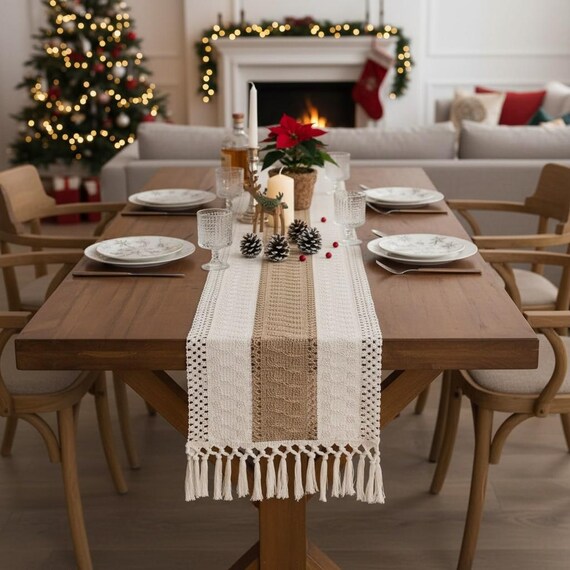
The invitation — your table is waiting.
Okay. Real talk. You don't need to be a crochet wizard to make this. I'm not. I'm just persistent. And I had help.
A good filet crochet pattern is like a treasure map. It shows you where the blocks go, where the spaces live, and how the whole thing comes together into something that looks impossibly complex but is actually just... repetition. Beautiful, meditative, soul-filling repetition.
The pattern I used was perfect for this. It had a chart (because filet crochet without a chart is like driving without a map). It had clear instructions. And it produced a runner so elegant, so quietly stunning, that my dining room went from "needs a refresh" to "exactly right" with one piece of cotton thread.
If you're looking at your own dining table — or coffee table, or dresser, or that sad console table by the door — and thinking "this space needs something, but I don't know what," here's my suggestion:
Don't buy something. Make something. Something slow. Something intentional. Something that carries your hours and your attention and your love in every stitch.
If you want to start with a pattern that holds your hand through the grid, the blocks, and the beautiful emptiness between them, here's the one I used: this Crochet Oval Plush Table Runner Pattern in PDF format. It's beginner-friendly, includes detailed charts, and produces a runner that makes any surface feel like it was styled by someone who actually cares.
Chapter 7: The Side Effects of Slowness
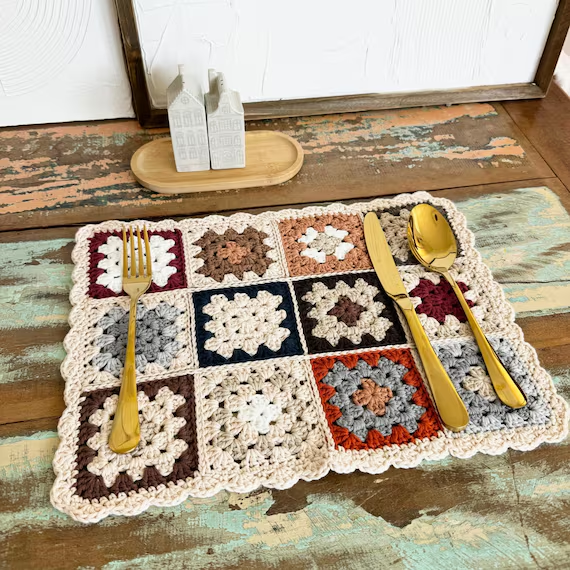
One handmade piece invites another — and another.
Making this runner had consequences I didn't see coming.
Consequence 1: I now notice lace everywhere. In museums. In old movies. In my grandmother's photo albums. I have become a lace-detector. It's a beautiful curse.
Consequence 2: My home has slowed down. Not literally — the chaos of daily life continues — but visually. The runner creates a quiet center. A place for the eye to rest. An anchor in the storm of toys, mail, and half-empty coffee cups.
Consequence 3: I have developed a reputation. I'm "the friend who makes things." This means I get invited to craft nights and fewer "let's go shopping" afternoons. I am not complaining.
Consequence 4: I have become emotionally attached to a piece of cotton thread. I smooth it after meals. I rotate it seasonally. I once panicked when I thought the cat had snagged it. (He hadn't. He was just sitting on it. Rude.)
Chapter 8: Your Invitation to the Grid
The finished object — where patience becomes presence.
So here's my challenge to you.
Not "go buy lace." Not "become a crochet master overnight."
Just this: make one slow thing. One thing that takes longer than you think it should. One thing that requires you to look at a chart, count your stitches, and breathe through the frustration when you mess up row seven.
Start with a table runner. A long, lace, filet declaration of intention. Something that transforms a surface from "functional" to "meaningful."
If you need a place to start — a pattern that guides you through the grid and celebrates you when you finish — here's the one that started my obsession: this complete PDF crochet pattern for an elegant table runner. It comes with charts, step-by-step instructions, and the kind of encouragement that makes you believe you can actually finish something this beautiful.
Because you can. I promise. If I can turn a Pinterest scroll into a dining room centerpiece, you can too.
Epilogue: The Lace Lives On
Some stories don't end — they just keep getting more beautiful.
It's been four months since I finished my runner.
The white has softened slightly. The cotton has relaxed into that perfect lived-in drape. The pattern — those diamonds within diamonds — catches the light differently at every hour of the day.
And my dining room? It's no longer a room I want to "refresh." It's a room I want to live in. To eat in. To laugh in. To leave empty sometimes, just so I can look at the lace and remember that beauty doesn't require a credit card.
My husband still notices it. Every time we have guests, someone asks where I bought it. And I always smile and say: "I didn't."
Then I watch their face do the thing.
The "wait, you MADE this?!" thing. The thing that makes all the counted stitches worth it.
The hook is in your hands now.
What will you make for the spaces you love?